
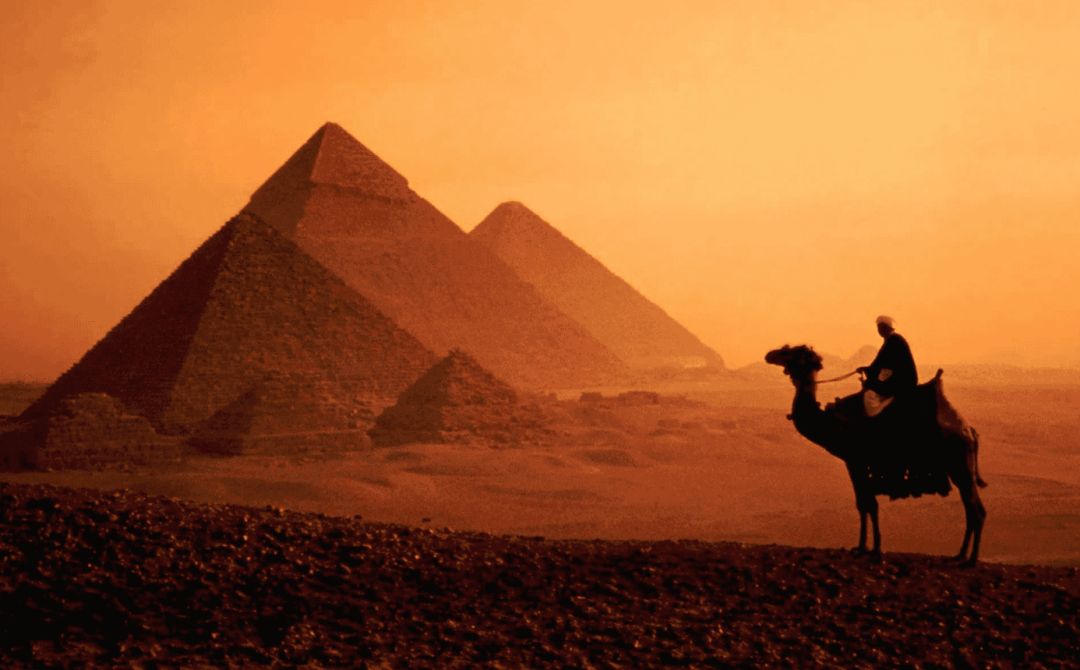
Why Egypt still holds the world's most powerful initiation sites
Sacred Egypt: Temples, Tombs, and the Living Nile
Egypt is not a destination. It is an initiation.
The temples along the Nile are not ruins. They are intact transmission systems, built with precise astronomical alignment and encoded with teachings about consciousness, death, and resurrection that modern civilization is only beginning to understand again.
When you stand inside the King's Chamber of the Great Pyramid, the silence is unlike any silence you have experienced. The walls hold the resonance of ceremonies performed for thousands of years. The granite sarcophagus at the center was never a burial chamber. It was a rebirth chamber. Ancient initiates entered it to die symbolically and return transformed.
The Temple of Karnak is the largest religious complex ever built by human hands. Walking its sacred axis at dawn, before the day visitors arrive, is an experience that bypasses language entirely. The Temple of Isis at Philae rises from the waters of Lake Nasser like a dream architecture. The Valley of the Kings is not about death. It is about the soul's journey through darkness toward light.
Our Egypt journey is structured as a progression, moving from the grandeur of Luxor and Karnak to the intimacy of Abydos, the most sacred site in the ancient world, where Osiris himself was said to be buried. We close at the Pyramids of Giza, in ceremony, at dawn.
Egypt gives everyone who goes something different. But it gives everyone something.